Blog

How to Start a Newsletter That People Want to Read
A newsletter keeps you in touch with interested visitors. Stay useful, stay remembered, and bring people back to your website when they’re ready.

Your website is doing more work than you realise. For Canberra small business owners, a modern website is not just a digital brochure. It is one of your most powerful tools for attracting local customers, building trust, and converting visitors into paying clients. Many business owners assume that design is about making things look attractive. The reality is that design decisions directly affect how Google ranks your site, how quickly visitors trust you, and whether they pick up the phone or click away. This guide cuts through the noise, explains what modern design actually means in practical terms, and shows you how to make smart, affordable choices that support real growth.
| Point | Details |
|---|---|
| Modern means results-driven | Modern website design puts usability, speed, and SEO first to drive real-world business growth. |
| Platform choice impacts value | Selecting the right platform, like WordPress, can make your site both affordable and scalable for Canberra SMEs. |
| Avoid costly design mistakes | Focusing on trends or skipping planning leads to lower performance and lost leads. |
| Sustainability boosts reputation | Eco-friendly design delivers faster, greener sites that also strengthen your business brand. |
The word ‘modern’ gets used loosely, but it has a specific meaning when it comes to websites in 2026. A modern website is not simply one that looks fresh. It is built on principles that make it fast, clear, and easy to use on any device.
Core features of a modern website include:
Practical web design principles confirm that key methodologies include visual hierarchy, whitespace for readability, design tokens and systems for scalability, and agile iterative prototyping with low-code tools. These are not optional extras. They are the foundation of a site that performs.
Here is a quick comparison of outdated versus modern design practices:
| Outdated practice | Modern approach |
|---|---|
| Fixed-width layouts | Fully responsive, fluid grids |
| Heavy stock images | Optimised, lightweight visuals |
| Cluttered navigation menus | Simple, focused navigation |
| Slow-loading pages | Sub-2.5 second load times |
| Generic fonts and colours | Consistent brand design system |
| No clear call to action | Prominent, single-focus CTAs |
For Canberra small businesses, the link between design usability and credibility is direct. Visitors form an opinion about your business within seconds of landing on your site. A slow, cluttered, or hard-to-navigate site signals unreliability, even if your actual service is excellent. You can explore practical website design tips for Canberra SMBs to see how these principles translate into real-world results for local businesses.
Once you understand what makes a site modern, the next question is why it matters for your bottom line. The answer is clearer than most business owners expect.
Google uses a range of technical signals to decide which websites appear in local search results and on Google Maps. Page speed, mobile usability, structured content, and clear local signals all feed directly into those rankings. A poorly designed site is not just unattractive. It is invisible.
Modern design improves local SEO visibility, including Google My Business integration, mobile performance for on-the-go searches, and can yield 25 to 60 per cent more leads for Canberra small businesses using platforms like WordPress or Webflow.
Here is how specific design changes affect SEO and leads:
| Design change | SEO impact | Lead impact |
|---|---|---|
| Faster load time | Higher Google ranking | Lower bounce rate |
| Mobile-friendly layout | Better mobile search ranking | More enquiries from phones |
| Clear calls to action | Longer time on site | More form submissions |
| Local schema markup | Appears in map results | More local foot traffic |
To improve design and SEO together, follow these steps:
Pro Tip: Claiming and fully completing your Google My Business listing, then linking it to your website, is one of the fastest ways to improve local visibility in Canberra search results. It costs nothing and takes less than an hour.
For a deeper look at how search visibility connects to business growth, the guide on SEO for Canberra success is worth reading carefully.
With a clear picture of design’s impact on growth, the practical question becomes: which platform should you use?
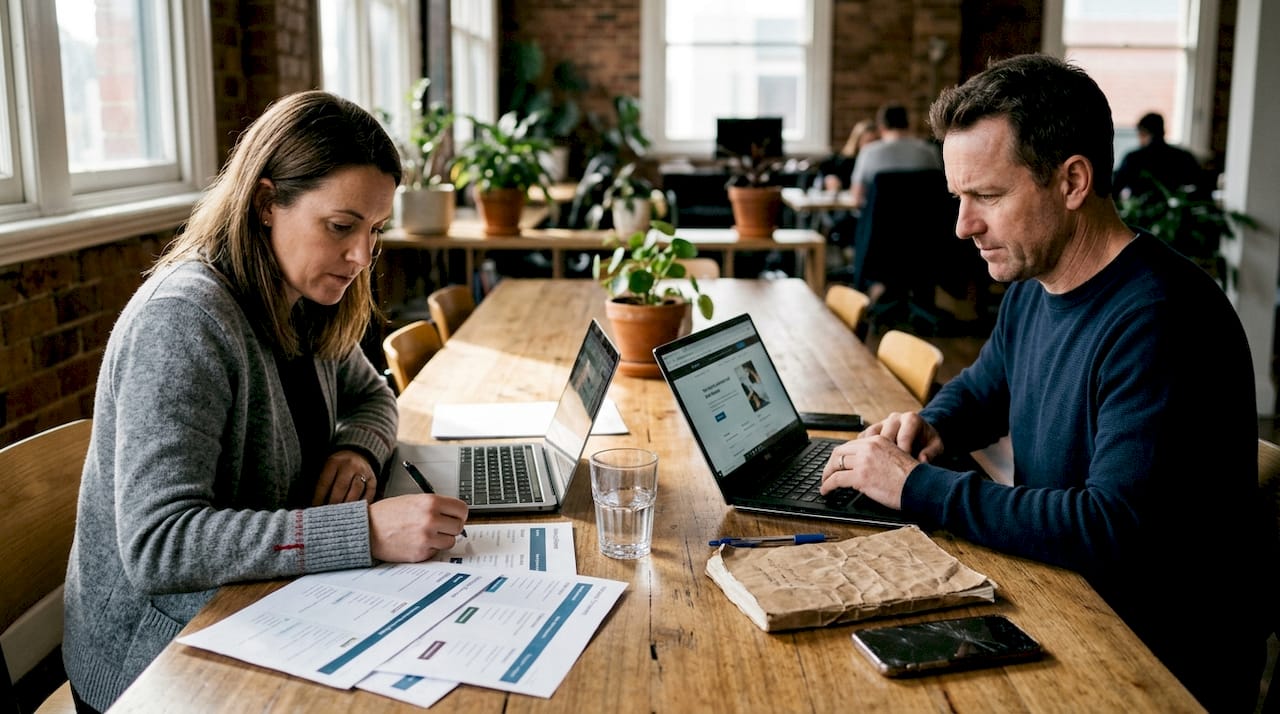
Affordable options like WordPress and Webflow, typically ranging from $3,000 to $20,000, allow Canberra small businesses to scale and maintain their sites without major ongoing overheads. WordPress remains the most widely used platform globally, powering over 43 per cent of all websites. It offers flexibility, a large support community, and a vast library of plugins for everything from bookings to e-commerce.
When choosing a platform, consider the following:
If you are starting from scratch, the practical guide on how to build a WordPress website for Canberra small businesses walks through the process clearly. For more complex requirements, understanding the custom WordPress development process helps you know what to ask for and what to expect.
Pro Tip: Launching your site is just the beginning. Ongoing updates, security patches, and content improvements matter as much as the initial build. A site left untouched for two years will lose rankings and feel dated to visitors. Check what WordPress hosting involves so you understand what keeps your site running reliably.
Even with the best intentions, Canberra small business owners often make avoidable errors when designing or redesigning their websites. Knowing these pitfalls in advance saves time, money, and frustration.
Here are the most common mistakes:
“Start with strategy, including buyer personas and sitemaps, before visuals. Test iteratively. Sustainable design practices such as AVIF images and green hosting align with performance and SEO gains.”
If your current site feels dated or is not generating enquiries, a website refresh for 2026 might be the right next step. You can also review website design tips for better traffic to identify quick wins.
A website is an investment, and like any investment, you want it to hold its value over time. Sustainable design is one of the clearest ways to protect that investment while also benefiting your brand reputation.
Sustainable web design means building sites that use less energy, load faster, and make responsible choices about hosting infrastructure. Sustainable design practices such as AVIF image formats and green hosting not only reduce your carbon footprint but also improve SEO and site speed.
For Canberra businesses, the practical benefits are straightforward:
Here is a simple sustainability action list for your next build or refresh:
Pro Tip: Before committing to a hosting provider, ask them directly about their energy sources. Some providers publish sustainability reports. Others will confirm green credentials on request. For more guidance, explore eco-friendly web design tips tailored to local businesses.
Small, steady habits in site maintenance create a strong foundation for long-term performance. A future-conscious approach to design is not idealistic. It is practical.
After working with small businesses across Canberra, Queanbeyan, and Googong, we have noticed a consistent pattern. Most business owners who struggle with their website are not missing budget or ambition. They are missing a clear starting point.
The tendency is to focus on how the site looks before clarifying what it needs to do. A beautiful site with no strategy is like a well-designed shopfront with no signage. It attracts attention but does not direct it anywhere useful.
The businesses that see the strongest results are the ones that pause before building. They define who their ideal customer is, what that customer needs to see before making a decision, and what action they want them to take. Then they build around those answers.
We also see owners treat launch day as the finish line. It is actually the starting line. The sites that generate consistent leads are the ones that get reviewed, updated, and improved regularly. Website security for small businesses is one area that often gets overlooked post-launch, and it matters more than most owners realise.
Modern design is not a one-time project. It is an ongoing commitment to your business’s visibility and credibility.
If this guide has helped clarify what your website needs, the next step is straightforward. Asporea Digital works with small businesses across Canberra to build modern, affordable WordPress websites that are designed to generate real results, not just look good.
Whether you are starting from scratch, refreshing an existing site, or exploring e-commerce options, there are clear pathways to move forward. Browse WordPress customisation examples to see what is possible for local businesses, or read the WooCommerce guide for Canberra businesses if online sales are part of your plans. When you are ready to talk through your specific goals, visit Asporea Digital to book a free strategy call with a local expert who understands the Canberra market.
Modern design integrates technical features and local signals that improve visibility in Google Maps and search results, with well-built sites delivering 25 to 60 per cent more leads for small businesses. It makes it easier for locals to find and trust your business before they even visit.
Yes, WordPress remains highly cost-effective and customisable, and affordable WordPress sites allow Canberra small businesses to scale without major overheads. It is still the most supported platform available for small business needs.
Modern, effective websites for Canberra small businesses typically range from $3,000 to $20,000, depending on complexity, features, and whether e-commerce or custom integrations are required.
Skipping research and chasing visual trends at the expense of speed and usability can hurt conversions, because performance over trends is what drives engagement and keeps search rankings strong.

A newsletter keeps you in touch with interested visitors. Stay useful, stay remembered, and bring people back to your website when they’re ready.
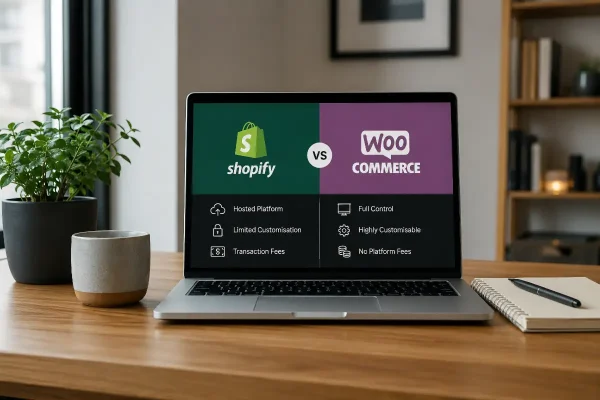
Compare Shopify and WooCommerce to see where WordPress gives your store more control, flexibility and room to grow.
Many websites lose leads on the contact page. Uncover the most common mistakes and how to design a page that builds confidence and action.