Blog

Why Standard Websites Fall Short for Astrology Businesses
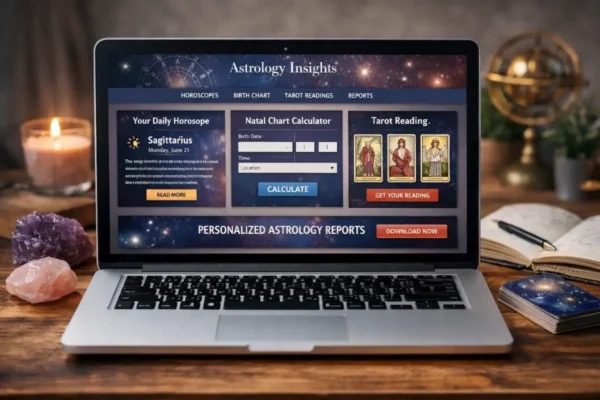
Standard websites lack the tools astrology visitors expect. See how custom astrology websites attract, engage and retain users.

A newsletter is a direct way to stay in contact with people who have already shown interest, without relying on social media to decide whether you get seen again.
A lot of visitors are not ready to act the first time they land on your website. They might like what they see, but they’re comparing, they’re busy, they’re waiting for the right time, or they simply need to see you more than once before they choose you. A newsletter keeps you present during that gap, in a way you control.
The value of a newsletter isn’t “content”. It’s position.
In the customer’s mind, businesses fall into two groups. The ones who seem to understand the problem, and the ones who sound like everyone else. A good newsletter moves you into the first group, because it reflects the reader’s situation clearer and reinforces their next step.
That’s what makes people think of you as the problem solver. Useful judgement, delivered steadily.

Being helpful doesn’t mean handing over the whole playbook.
The most valuable thing you can share is judgement: what to look for, what good looks like, where people get it wrong, and what the sensible first step is. That’s the sweet spot because it helps the reader move forward, but it doesn’t replace the work you do.
Your business model sits in the parts you don’t publish: the diagnosis, the implementation, the edge cases, and the experience that prevents expensive mistakes. A newsletter can signal that depth without turning into free consulting.
Most newsletters go stale for one reason. They drift into business updates.
New services. Announcements. “Here’s what we’ve been up to.” That might feel natural to write, but it’s rarely why someone subscribed. People keep reading when the email stays anchored to their world, not yours.
If the email could have been sent by any business in any industry, it’s too vague. If it makes the reader think more clearly about their problem, it earns its place.
Your website is where decisions happen. Your newsletter should support that.
A strong newsletter doesn’t send people to social to “keep up”. It points back to something useful on your website, so the reader can take the next step when they’re ready. It might be a page that explains a service properly, a guide that answers a common question, or a short article that helps them avoid a mistake.
When the website is the home base, the newsletter becomes easier to send because you’re not inventing a whole new stream of material. You’re pointing people to the parts of your site that already do the business work.
Tool choice matters because it decides whether you’ll actually keep doing this.
You want something that makes signups from your website straightforward, keeps your list under your control, and lets you send without it becoming a production.
You’ll find many tools like Mailchimp with similar tools and features. PDQ is a website-first newsletter management solution designed to help businesses collect subscribers on their own site, send clean emails, and lead readers back to the pages that do the heavy lifting. It’s the one we use internally to publish and send Release Notes every month.
Substack is publishing-first so use it with caution. The idea of substack (like social media) is to take your readers to substack not to your website. If your purpose is to sell from your site, using substack for your newsletter is probably not a great idea.
Whichever you choose, the best tool is the one you can keep using without it turning into a chore.
If you haven’t really thought about a newsletter, consider it as your next step. Not because you need “more marketing”, but because it gives you a way to stay in contact with people who already showed interest, without relying on social platforms to do it for you.
And if you already have a newsletter, it’s worth asking whether it’s hitting the mark.
Those answers tell you whether your newsletter is doing its real job: keeping you in mind, in a way that earns trust.

Standard websites lack the tools astrology visitors expect. See how custom astrology websites attract, engage and retain users.

Buying a domain is only step one. This plain English guide explains hosting, why builders like Wix can become limiting, and the smarter way to

DIY websites look cheap until you see the real cost: nights, weekends, missed leads, and the rescue job when something breaks.