Blog

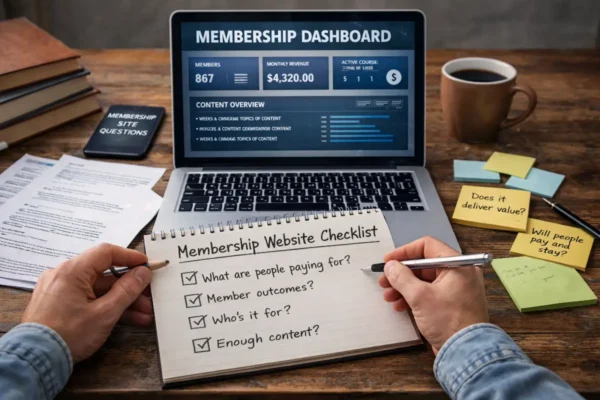
10 Questions You Need to Ask Before Building a Membership Website
Discover 10 essential questions to ask before building a membership website, from content readiness to value and retention.

TL;DR:
- Investing in e-commerce offers small businesses a proven, growing market with lower operating costs and expanded reach. It requires medium-term planning, patience, and a strategic approach focused on channel selection, logistics, and ongoing metrics monitoring. Success depends on realistic expectations, targeted channel use, and consistent data-driven adjustments over time.
If you are asking why invest in e-commerce, the short answer is that the opportunity is real, measurable, and growing steadily. U.S. retail e-commerce sales reached $1,233.7 billion in 2025, representing 16.4% of total retail. For entrepreneurs and small business owners looking to increase sales and reach wider markets, e-commerce is no longer a nice-to-have. It is a serious growth channel that rewards those who approach it with patience, planning, and a clear strategy.
| Point | Details |
|---|---|
| Market size is proven | E-commerce now accounts for over 16% of total retail sales, giving you solid evidence to back capital investment decisions. |
| Benefits go beyond a website | The benefits of e-commerce include lower operating costs, wider reach, and data-driven sales optimisation. |
| Expect a medium-term horizon | It can take up to two years to reach profitability, so planning and patience matter from the start. |
| Start staged, then scale | Begin selling where demand already exists, such as on marketplaces or social channels, before building your own store. |
| Measure what matters | Tracking cart abandonment, average order value, and conversion rates guides smarter decisions over time. |
Before you commit budget, it helps to understand the broader environment. The numbers give you confidence. Q4 2025 e-commerce sales grew 5.4% year on year, reaching $316.1 billion in a single quarter. That is steady, structural growth, not a post-pandemic blip.
Consumer behaviour has also shifted in ways that favour blended approaches. 54% of consumers still consider physical stores important for product discovery, yet most of those same consumers research, compare, and often purchase online. Online and in-store experiences increasingly influence each other, meaning your digital presence directly affects sales in every channel you operate.
Platform competition shapes the environment too. Amazon holds 56% of U.S. online retail spending, while Walmart’s e-commerce sales grew 27.2% year on year, driven largely by groceries. For small businesses, this concentration is a signal, not a barrier. It tells you where consumers are already shopping and helps you decide whether to sell on those platforms, alongside them, or carve out a more direct relationship with your audience.
The importance of online retail is not just about selling online. It is about being present in the conversations your customers are having before they decide to buy. When you understand that, e-commerce starts to look less like a technical project and more like a strategic asset.
The e-commerce investment advantages are practical and compounding. Here is what you actually gain when you commit properly.
Lower operating costs. E-commerce removes the cost of physical retail including rent, fit-out, and reduced staffing. For a small business, that difference can be significant. Redirecting those savings into marketing or product development builds momentum faster.

Reach beyond your postcode. A local business in Canberra can sell to Sydney, Melbourne, or internationally without opening a second shopfront. Your store is open every hour of every day, which extends your sales potential without adding labour costs.
Data-driven sales optimisation. Digital commerce gives you visibility that physical retail rarely can. You can see where customers drop off, which products attract attention but do not convert, and which marketing channels deliver real returns. That information lets you improve continuously.
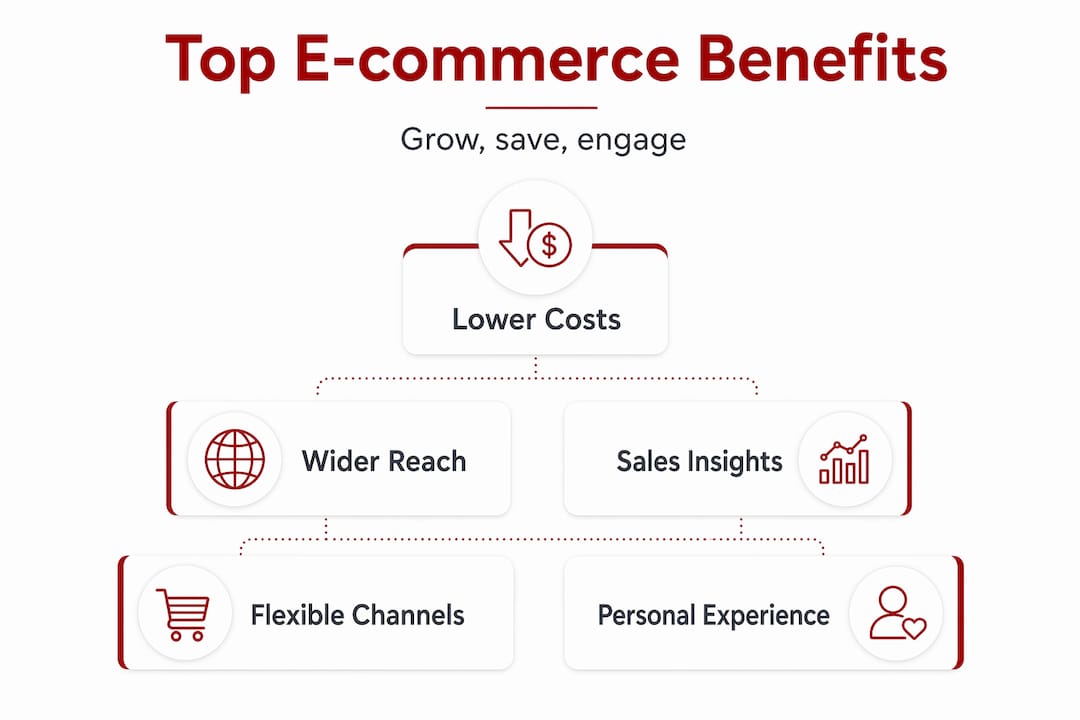
Flexible sales channels. You are not locked into a single storefront. The advantages of digital commerce include selling through your own website, a marketplace like Etsy or Amazon, social commerce through Instagram or TikTok, or a combination. Each channel serves a different audience and purpose.
Personalised customer experiences. Machine learning and automated chatbots improve shopping satisfaction by helping customers find what they are looking for faster. Even modest personalisation, such as showing related products or sending cart reminders, builds repeat purchase behaviour over time.
Pro Tip: Do not try to activate every channel at once. Pick one or two where your customers already spend time, master them, then expand. Spreading too thin early is one of the most common reasons small e-commerce ventures stall.
A lot of small business owners expect quick results. That expectation leads to disappointment, and sometimes to pulling back just before things would have started working. Let’s set the record straight.
It can take up to two years to become profitable in e-commerce. That is not a reason to avoid it. It is a reason to plan for it properly. Businesses that budget for a medium-term horizon, and measure progress against clear milestones, are far more likely to succeed than those chasing fast returns.
The second misconception is that investing in e-commerce means launching a website. It does not. True e-commerce investment covers channel selection, payment options, logistics, customer service, and ongoing KPI monitoring. Each of those components needs thought and resources. A beautiful website with no payment flow, no shipping strategy, and no customer support process will not generate sales.
Here is a realistic picture of what a staged investment looks like:
| Common assumption | Reality |
|---|---|
| E-commerce generates fast profit | Profitability typically takes one to two years with proper planning |
| A website launch is the investment | The full investment covers payments, logistics, service, and ongoing measurement |
| You need to be on every channel | Starting with one or two channels and scaling is more reliable |
| Marketing is optional early on | Some new businesses spend up to 30% of budget on customer acquisition in the first year |
Pro Tip: If you are unsure where to start, look at where your existing customers already find you. That is usually your most efficient first channel.
Once you understand the landscape and have realistic expectations, the practical steps become clearer. Here is how to approach investing in online sales with confidence.
Assess market demand before you build. Search for your products or services online. Look at what competitors are doing and where they are selling. This tells you which channels already have an audience for what you offer.
Choose your primary channel deliberately. The fastest path to e-commerce sales is starting where demand exists, then scaling to your own site after you have reliable data. Marketplaces give you traffic immediately. Your own website gives you control and margin over time.
Design a clear path to purchase. Every step from product discovery to checkout should feel natural and low-friction. You can learn more about optimising your customer journey to reduce drop-off and increase conversions.
Set a realistic marketing budget. Targeted social ads, Google Shopping, and search engine optimisation all have a role. Start with one channel, measure what works, and shift budget toward what converts.
Plan for growth, not perfection. Your first e-commerce setup does not need to be your final one. Get something working, gather real data, and improve from there. Waiting for everything to be perfect before launching costs you time and momentum.
Revisit your metrics every month. Sales, cart abandonment, average order value, and return rates all tell a story. Follow the story and adjust accordingly.
Reviewing e-commerce website examples from Canberra small businesses can help you see how local operators are putting these principles into practice across different industries and budgets.
I have worked with enough small business owners to know that the biggest obstacle is rarely technical. It is the expectation that e-commerce should pay off quickly.
What I have seen work, consistently, is treating e-commerce as a medium-term investment with clear milestones rather than a shortcut to more revenue. The businesses that grow steadily online are the ones that track their numbers, test their assumptions, and adjust without panic when something does not perform.
I have also noticed that single-channel reliance is quietly risky. Businesses that depend entirely on one marketplace, or entirely on their own site with no supporting traffic strategy, hit a ceiling. Blended approaches, where your own website, a marketplace presence, and a simple content or SEO strategy work together, tend to build more durable growth.
The data-driven side of e-commerce is genuinely empowering when you lean into it. Knowing exactly which product page converts at 4% and which drops off at 80% is information you could never get from a physical counter. That visibility, when you act on it, compounds over time. Small, steady adjustments create a strong commercial foundation.
The future of online shopping belongs to businesses that plan carefully, start practically, and stay consistent. Not to the ones who spend the most or launch the fastest.
— James
If you are ready to take the next step, having the right website foundation makes a significant difference. Asporea Digital builds WooCommerce online stores for Canberra small businesses at fixed prices, with mobile-optimised design, fast loading, and clear paths to purchase built in from the start.
A well-built website is only part of the picture. Getting found by the right customers requires a sound SEO and digital marketing growth strategy running alongside it. Asporea Digital can help you with both, from the initial build through to ongoing support and visibility improvements. If you are a small business in Canberra or the Capital Territory region considering e-commerce as your next growth step, reach out for a straightforward conversation about what would work for your situation.
E-commerce reduces operating costs, extends your reach beyond your local area, and gives you sales data that helps you improve continuously. With e-commerce now representing over 16% of retail sales, the market is large enough for small businesses to capture meaningful growth.
Profitability in e-commerce can take up to two years, depending on your product category, marketing approach, and how quickly you optimise fulfilment and conversion. Planning for a medium-term horizon sets more realistic and achievable expectations.
The core benefits of e-commerce include lower overheads compared to physical retail, the ability to sell around the clock, access to customer data for smarter decisions, and flexibility across multiple sales channels including your own website, marketplaces, and social platforms.
Not immediately. Starting with marketplaces or social channels where demand already exists is a practical first step. Once you have reliable sales data, moving to your own website gives you more control, better margins, and a stronger brand presence.
Focus on cart abandonment rate, average order value, and sales conversion rate as your core measures. Tracking these metrics systematically helps you identify where to improve and where to invest more confidently.

Discover 10 essential questions to ask before building a membership website, from content readiness to value and retention.

Refresh your website for the Christmas rush and set up your Boxing Day switch in minutes. A simple two-step plan for Australian small business owners.
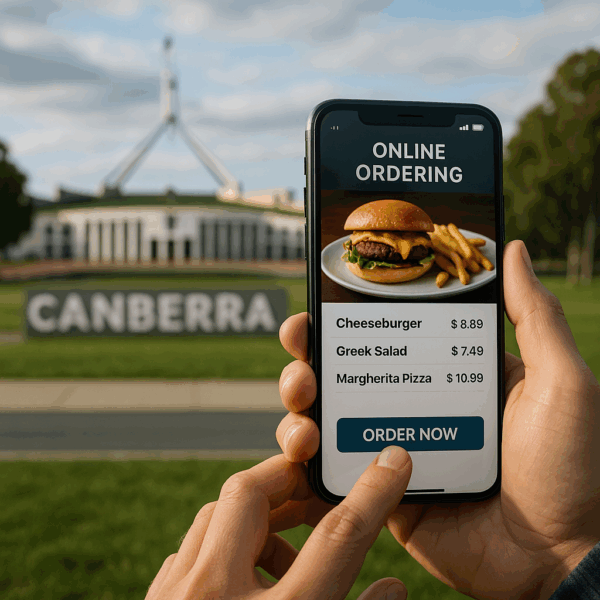
Capital and Canberra Region food businesses: take orders, payments, and pre-orders online with a food order website built to boost sales and cut wait times.