Blog

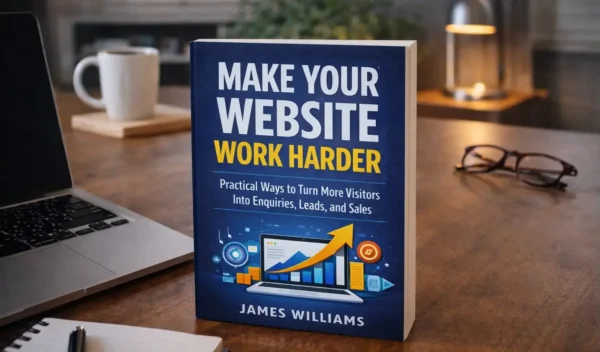
Make Your Website Work Harder
A practical guide for small business owners who want their website to generate more enquiries, leads, sales, and real business value.

Most people do not start a web project because they are bored. They start because the current site is holding the business back. It looks dated, it is hard to update, it does not bring in the right enquiries, or it simply does not reflect where the business is now.
The hard part is not deciding you need a new site. The hard part is choosing the person who will build it, then living with the decisions long after the invoices are paid.
A website rarely fails in a dramatic way. It fails quietly. It loads slowly on mobile. It confuses people who were ready to call. It does not track what matters, so you cannot improve it. It becomes awkward to change, so it sits there, ageing in public.
If you want to avoid that, the trick is to shift the conversation away from taste and towards choices that hold up later. These fifteen questions do that. They are not meant to be confrontational. They are a fast way to see whether someone has a clear plan, a clean scope, and the habits that make projects run smoothly.
A good designer can talk design all day. A useful designer starts by getting clear on what the site must do.
What is the single most important job the website needs to do for the business? What action do you want visitors to take, and where should that be obvious? How will you measure success after launch, in something you can actually track?
If the answers are vague, the build will be vague too. Specific goals make the site simpler, the copy clearer, and the decisions quicker.
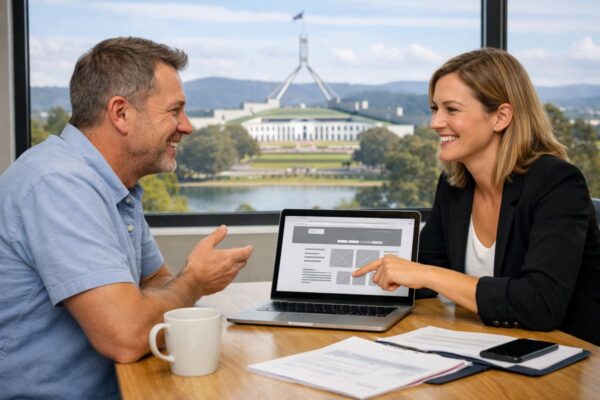
Portfolios can be misleading. A good looking site can still be a pain to use, slow to load, or hard to update. What matters is how the designer explains their work.
Ask to see examples that match your situation, not just examples that look good in a browser. Similar customers, similar services, similar complexity. Then ask what drove the decisions. Why is the structure like that? Why are the calls to action placed there? What did they keep simple on purpose?
How does their approach match the solution you need? What additional ideas are they bringing to the conversation that would benefit you and your business?
You are not looking for perfection. You are listening for judgement.
Great web projects feel calm. Not because they are effortless, but because the process is clear. You know the stages, you know what you will see, and you know when you need to make decisions.
Ask what their process looks like from discovery to launch. Ask what you will see first and where approvals happen. Ask who does the work day to day, and who owns delivery when something needs action.
Then ask how they handle feedback and revisions. How many rounds are included? How is feedback collected? What happens when the scope changes mid project? This is where a lot of projects either finish cleanly or drag on for weeks.
Most budget blowouts are made of small assumptions. “Five pages” sounds clear until you add forms, tracking, a blog, image optimisation, SEO foundations, redirects from the old site, and training so you can update things yourself.
A good designer can describe what is included in the price in plain language. They can also tell you what is not included and what commonly costs extra. Copywriting, photography, integrations, ecommerce complexity, advanced SEO, and ongoing support are typical.
The most useful question here is simple: what changes the price, and how are changes quoted? You want a clear rule that prevents surprise invoices and awkward conversations later.
This is the part people skip because it feels nitpicky, right up until they need access and cannot get it.
You should own your domain name. You should have access to your hosting. You should have admin access to your website. You should own your content and understand the licences for any paid assets used.
If key accounts are controlled by the designer, the site can become hard to move or hard to manage. That might be fine if it is explicit and you are comfortable with it, but it should never happen by accident.
WordPress, Shopify, Webflow and other platforms can all be right in the right context. What matters is the reason.
Ask what platform they will build on and why it suits your business. Ask how easy it will be for you to update. Ask what it costs to run. Ask what its limits are and what happens if you want new features later.
A confident answer sounds like trade offs. A weak answer sounds like habit.
Customers do not judge your website the way you do. They are not admiring the spacing. They are trying to do something quickly.
So ask how performance and mobile usability will be handled. Ask how they will keep the site fast. Ask how they will handle accessibility basics, because accessibility overlaps with clarity: readable type, good contrast, sensible navigation, and straightforward content.
SEO belongs here too, but as groundwork, not fortune telling. If “SEO included” is mentioned, ask what that means in practice. Page structure, titles and descriptions, indexability, redirects if you are replacing an old site, and analytics so you can measure what is happening. Anything beyond foundations is ongoing work, not a launch day checkbox.
A website is not “set and forget”. It needs updates. It needs security. It needs backups. Forms need checking. Things break. That is normal.
So ask what happens after launch. What support is available? What response times are typical? What is included in ongoing care? If the answer is vague, you will be the one dealing with it later, usually when you have ten other things going on.
What is the single most important job this website must do?
What action do we want visitors to take, and where should it be obvious?
How will we measure success after launch?
What do you need from me, and by when?
Who will I work with day to day?
Who is building the site, exactly?
What is your process from discovery to launch?
What will I see first, and what are the approval points?
How do you handle feedback and revisions?
What exactly is included in the price?
What is not included, and what usually costs extra?
What changes the price, and how are changes quoted?
Will I own the domain, hosting, admin access, and content?
What platform will you build on, and why is it right for this business?
What happens after launch: support, updates, security, and backups?
At Asporea Digital, we build websites for businesses that want clarity. Clean structure, fast pages, simple editing, and no accidental lock ins.
If you are comparing designers right now, send us the quote or proposal you have been given. We will review it for scope gaps, ownership issues, and hidden ongoing costs, then tell you what to tighten up before you sign. If it is solid, we will say that too.
If you would rather start fresh, we can run a short discovery call and produce a clear scope and fixed price proposal you can compare properly.
A practical guide for small business owners who want their website to generate more enquiries, leads, sales, and real business value.

Keep your checkout fast, simple and reassuring so every click counts. A practical guide for Australian small businesses
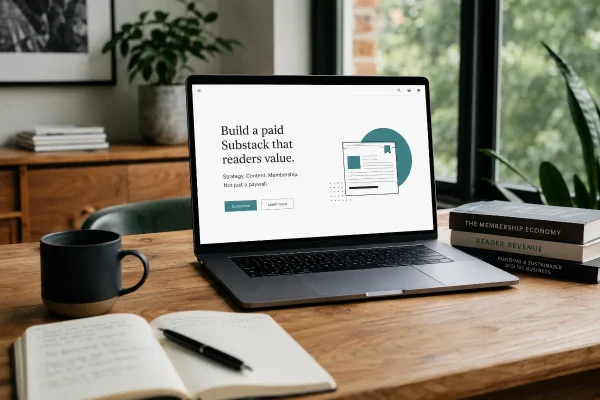
Substack is easy to launch, but paid publishing needs strategy. Shape the content, offer and member journey before adding a paywall.