
Blog

Google Analytics: Where to Find the Numbers That Matter
Find the only Google Analytics numbers that matter, connect Site Kit, and see traffic, top pages, and whether visitors take the intended action.

Once a visitor understands what you do, they then start considering whether they are comfortable with you.
They’re quietly asking themselves whether dealing with you will feel easy or irritating, calm or awkward, respectful or pushy. They’re deciding whether you seem like someone who can answer normally, explain things plainly, and treat them like an adult, even if they’re not confident online.
It’s the sense that you are easy to deal with.
You don’t need jokes, gifs, or a quirky brand voice to be likeable. Most people aren’t looking for entertainment from a business website. Their primary need is to feel safe and understood.
Likeability comes from your words.
Do your words sound like a person who works with customers, or do they fall flat. Do those words make you sound like you’re trying to sound important, or bigger than you actually are.
Will your words make your website visitors feel welcome, or judged. Do your words lower the pressure on your visitor, or raise it.
The simple rule for reducing friction with your words is write the way you’d speak to a customer you genuinely want to help.
You become unlikeable when people feel small and unimportant. This largely happens when your website is about you, and not your client.
This can manifest in many ways, and I’m sure you’ve seen websites like this:
Have you seen a paragraph full of “we are passionate”, “we pride ourselves”, “industry leading”, “innovative solutions”, a tone that sounds like it’s performing? In reality this conversation is about you, and not about your customer. It doesn’t bring you closer to your visitors.
Most people won’t complain. They’ll just back away.
The fix is to become plain. Replace impressive words with everyday ones. Replace big claims with simple promises about how it feels to work with you.
When you start to use phrases like these, you start looking like a real business.

People like businesses that make things less awkward.
Casual visitors will land on your website with at least one of these thoughts in mind:
When you acknowledge that reality it makes you instantly more likeable – you’re saying “it’s not a big deal, we can help.”
A simple line like, “If you’re not sure what you need yet, send me a quick message and tell me what’s going on,” gives permission. It removes any sign of embarrassment and positions you as helpful.
This is the kind of writing that makes people relax.
Don’t make the next step a big leap.
Some sites jump straight to “Book a call” or “Request a quote.” which leads people to a form that asks for too much information. It will scare people if they aren’t sure what they need.
Reaching out should be low-pressure. Not vague, just easy steps.
Your visitors should feel like they can start a conversation without committing to the end-result.
If you’re service based, you can make this simple: invite a quick message with a clear promise about what happens next. You can invite questions, without making someone feel like they’re wasting your time.
People will like you more if you make connecting feel less like an interruption.
Most “about us” sections can be where likeability goes to die.
Have you ever read an about us page that is full of self-talk? The page tells people who are you are, how long you’ve been in business and how many customers you work with. Instead, you can swap it with a short paragraph that explains what it’s like to work with you.
By explaining how you communicate and how you make the process simple – it completely changes the focus.
On websites that do this well, you’ll a statement like this:
You could adapt this into your own words.
A paragraph like this does more than a whole page of biography, because it answers the visitor’s real concern – will they be easy to deal with.
A lot of small business owners use premium language to signal value – but it actually turns most people off.
If your audience is middle aged, time poor, and not confident with marketing, they are not looking for a business that sounds grand. They are looking for a business that sounds easy to deal with, fair and who will deliver what they promise.
So write like you’re trying to be chosen by that person.
Clearly set expectations. Sound like a business that has done this before and isn’t going to drop the ball.
There’s worse than a pushy salesperson, right?
A likeable website (as an extension of you) is helpful. It talks with the visitor. It anticipates where they might get stuck, and helps them feel understood.
You can do that with small choices:
When a visitor feels like you get them, you become immediately more likeable – and someone people want to deal with.
Open your homepage and find three lines you would never say out loud to a customer. They’ll usually be the ones with words like “solutions”, “synergy”, “tailored”, “world class”, “leading”.
Where you find these, rewrite them in a style that’s like replying to a customer’s email.
Make it sound real; like you.
If the rewritten line feels like you, keep it. If it feels like a brochure, rewrite again until it doesn’t.
This step improves your likeability by removing distance between you and the reader.
When someone finishes reading your site, you want them thinking something simple.
Good web writing is about creating comfort.
When your website creates comfort, people don’t just understand what you do. They choose you.

Find the only Google Analytics numbers that matter, connect Site Kit, and see traffic, top pages, and whether visitors take the intended action.
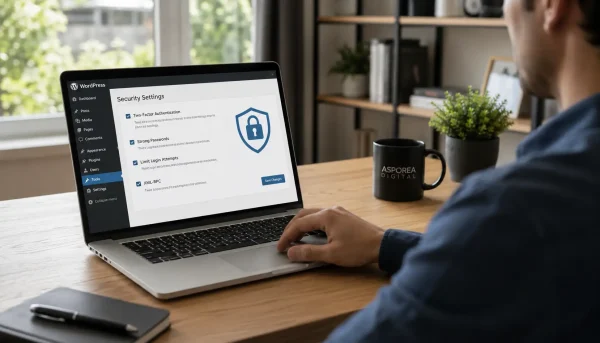
Practical WordPress security basics for Australian small businesses, covering logins, updates, backups, plugins, hosting and monitoring.
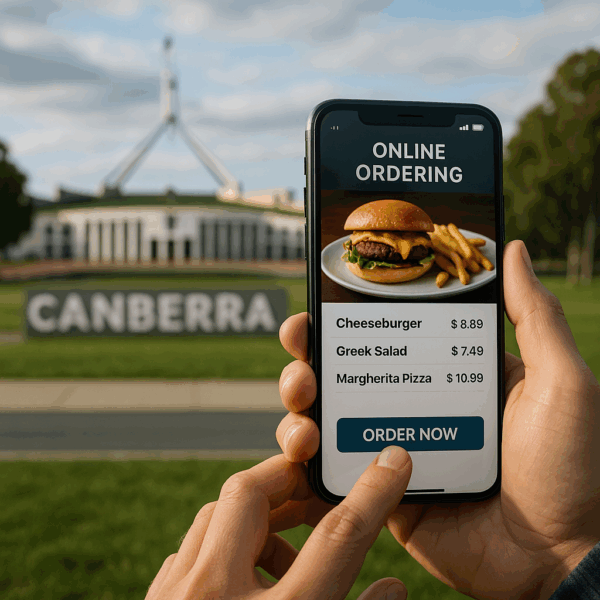
Capital and Canberra Region food businesses: take orders, payments, and pre-orders online with a food order website built to boost sales and cut wait times.